

The Red wine vs white wine decision ultimately hinges on how the grapes are processed, the wine’s taste profile, and your personal preferences. Red wine typically offers higher tannin levels, a fuller body, and compounds extracted from the grape skins, whereas white wine is often more vibrant, lighter, and characterized by higher acidity. For dinner options, health benefits, or a preliminary glass of wine, prioritize flavor and food compatibility before making a choice based on color alone. 「ZSEp」
Sections
This guide covers red vs white wine through production, taste, health claims, risk, beginner choices, and practical food pairings. You will see why grape skins matter, why stainless steel is common for crisp styles, and why a light Pinot Noir behaves very differently from a firm Cabernet Sauvignon at the table.
Wine Folly gives a useful production-first comparison in its Wine Folly red and white wine differences guide, while Coravin focuses on taste and serving in its Coravin wine comparison. Clif Family adds everyday choosing advice in its Clif Family red or white wine guide, and Rikasá Restaurant frames the question around dining.
Introduction
So most folks ask what is white wine made of, and that really gets to the crux of how it compares with red because it all boils down to what is happening with grapes to begin with and what happens to juice, skins, seeds, yeast and time. It’s fair to say that there is generally more extraction from the skins and red styles, while the white ones are all about the fruit, acidity, and making cleaner fermentation choices with pale colors.
The Healthline red and white wine health comparison is a good one, because it does the thing of trying to separate the potential benefits from the alcohol. But here’s the real thing. While there are resveratrols and polyphenols involved, that doesn’t mean it is always the best for you to choose, especially if you’re looking for that first, easy-to-handle glass of wine, or something for your steaks, or even something more appropriate to match your seafood.
What Is The Difference Between Red And White Wine?
Usually, red wines are fermented with skins, and often seeds, from the grapes they came from, too. This contributes to the wines color, tannin, flavor intensity, and overall texture which usually leans heavier on the fuller body side of the spectrum. In contrast, most pale wines are made by the grape pressing and then fermenting the juice from these grapes, which has a very short skin contact before the juice is drained off and fermented. This single decision can impact almost every aspect of your experience when you enjoy the wine in your glass.
You might be asking yourself, cabernet sauvignon red or white, Cabernet Sauvignon is a red wine, and its style is a clear illustration of why this category can be so structured and dry. For instance, if you think of Cab compared to something like Chardonnay, you will likely find darker fruit flavors, a more gripping mouthfeel, and a deeper color, all things you wouldn’t really think of describing Chardonnay by. Of course, a Chardonnay could be oaked, but overall, white wines tend to be lighter, more acidic, and more refreshing to the palate, even if they still have the weight of an oak influence.
How Winemaking Creates Color, Tannin, And Texture
The main thing that separates red and white styles is the presence of skin contact. The pigments and phenolic compounds which contribute color and other structural elements like tannin move from the skin into the fermenting juice, while stems and seeds which can add bitterness and additional firmness can also be added. Red fermentation tends to encourage extracting these compounds more, while white styles are more likely to see quicker pressing of the grapes, cooler fermentation tanks, and stainless steel fermenters to maintain the freshest possible expression of the fruit.
Taste: Red Wine Versus White Wine In The Glass
To answer what is wine made of, the short answer is it is made from grapes, yeast, and fermented juice, but this is all in the raw materials. To put a more practical definition to it, red wine styles are more likely to show flavors like cherry, plum, blackberry, spice, more tannin weight, and generally a heavier body. On the other hand, you will find more common flavors of apple, pear, peach, citrus, and florals from white styles along with a higher perceived acidity which leads to a lighter and more refreshing finish in the glass, though grape type and oaked styles can make the distinction a bit more difficult to determine.
Possible Benefits Of Drinking Red Wine
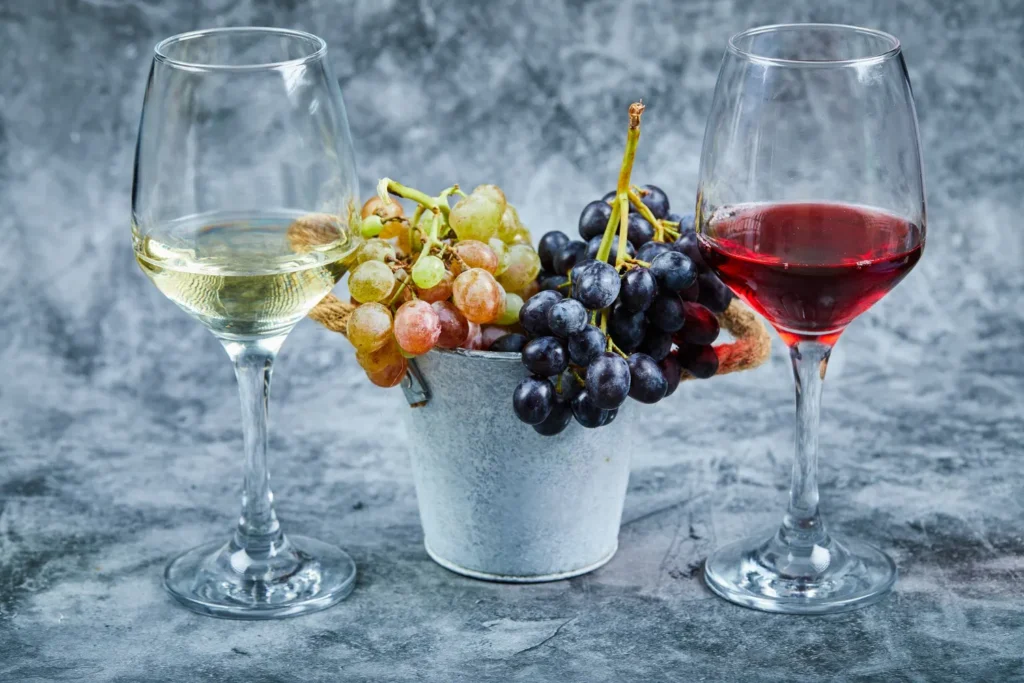
The skin contact that red wines receive is one of the key reasons they often receive more attention than most other styles: longer skin contact can increase polyphenols, including resveratrol. We often read about the potential antioxidant activity of polyphenols, but those compounds do not cancel out the damaging effects of alcohol. It matters that you’re not going overboard on any style of wine, and you don’t have to start drinking red wine to get the potential benefits.
That’s also the answer to why is white wine white: White wines spend far less time with the dark-colored grape skins, and thus extract less color. That doesn’t mean the lighter styles are without nutrition, although reds are almost always going to provide more polyphenols sourced from the skins. Now, for the interesting part: The health discussion is really about the dose and pattern of drinking, and one’s overall lifestyle.
Red Wine And Heart Disease Risk
One might look to the antioxidants present in red wines, for example, and ask if they play a role in managing inflammation and the function of blood vessels. The simple reason red wine is red: It’s the skins (and the pigment therein) that make the wine red. The same skins can yield many phenolic compounds, as well. However, while there is some suggestion that moderate drinking may be associated with a health benefit, heavy drinking is almost always associated with an increase in the risk of a health concern.
Red Wine And “Good” HDL Cholesterol
Observational research has suggested an association between moderate alcohol intake and higher levels of high-density lipoprotein (HDL, often referred to as “good” cholesterol). The presence of higher HDL does not mean that you can directly attribute protection from cardiovascular disease to white wines or reds, since dietary factors and socioeconomic variables and exercise patterns (and more) all play a role. Think of the HDL associations as a piece of context, rather than a “free pass” to drink more.
Red Wine And Brain Aging
We sometimes hear about resveratrol in connection to inflammation and the aging of the brain. Early investigations have explored whether the antioxidant and anti-inflammatory effects of resveratrol might have relevance to a reduced rate of cognitive decline, but that is not the same as the suggestion that a particular compound has a protective effect on brain aging when people are drinking at a social, at-home level. In fact, heavy drinking can be harmful to the brain. Moderate intake is the key to reducing the risk.
Other Resveratrol-Linked Effects
Resveratrol also gets mentioned in discussions about inflammation, insulin sensitivity, and metabolic health in general. Let’s slow down for a moment. The evidence from research that’s most exciting often arises from lab-based or animal-based studies, and less from the direct comparison of casual drinking with people who don’t drink. It’s hard to compare the effects of a single glass of red with dinner with a controlled study.
Other Possible Benefits Of Red And White Wine
This is why you’ll find moderate wine drinking often embedded in larger dietary habits, for example with vegetable dishes and lean meat and olive oil and people eating slowly and in company. It matters. A small glass at dinner is not the same as binge-drinking, without food, just because you have the same color bottle in front of you.
Lighter styles can work for others as well, since acidity will make food appear to taste fresher and your body feel lighter. If you are sensitive to bitterness or that dry grip in the mouth, a crisp Chardonnay or similar will fit you better than a powerful red. You are entitled to your preference.
Drawbacks And Risks Of Wine
There is alcohol in wine. Alcohol can lead to dependence, liver damage, accidents, sleep problems, and other issues. Cancer risk gets mentioned in the conversation, even when the wine costs a lot or looks good with a nice dinner. Not a shade of wine.
But there’s a caveat. Health comparisons that make something appear “better” than it is. If you’re pregnant, taking medications that interact, trying to avoid addiction, or following medical advice to avoid it, the better option may not be to pick a different grape. Maybe to not have any.
Is Red Wine Healthier Than White Wine?
Red wine contains more Polyphenols, in part because the must is in contact with the skins, seeds and, possibly, stems for a longer time; this gives it a theoretical advantage for compounds like Resveratrol and partly accounts for the fact that red varieties get the most press.
What matters most, though, is moderation, not the hue of the glass: a smaller glass of red at dinner may suit some, while a small glass of pale wine is preferable for others with regard to their wine consumption and food; drinking more in the name of antioxidants would not be a sound exchange. Antioxidant and other plant compounds may be supplied from grapes, teas, berries, and other dietary sources.
Red Wines Worth Trying First
Pinot Noir is one of the best first reds for those who don’t like big wine. It’s typically more light-bodied with softer Tannins. Flavors tend to lean toward cherry, strawberry, earth, spice, etc. And if you were wondering, is pinot noir red? Yes. But it’s usually less aggressive than big-bodied reds.
Merlot, too, is an easy entry-level red, especially when it’s round and plush rather than aggressive and sharp. Cabernet Sauvignon, on the other hand, is more full-bodied, darker, and more tannic; it’s a great match for rich food, but can be intense to enjoy solo. So start with a lighter bottle if you’re sipping without dinner, then move to a more structured one.
Great Pairings For Red Wine
Because protein and fat tame tannic structure in the wine, Cabernet Sauvignon goes particularly well with steak, grilled meats and other rich dishes. Merlot is more flexible, pairing well with burgers, roast chicken, and tomato-based dishes. Such food pairings make the wine smoother and the food fuller.
The tannic structure of Pinot Noir can stand up to foods such as salmon, roast mushrooms, duck, and herbed chicken because it has enough acidity and savory elements without being overpowering. It’s a trick most people don’t know. The lighter reds work just as well when served slightly chilled; cooler temperatures enhance the refreshing, crisp taste that allows you to savor food more casually.
Quick Answers About Common Wine Types
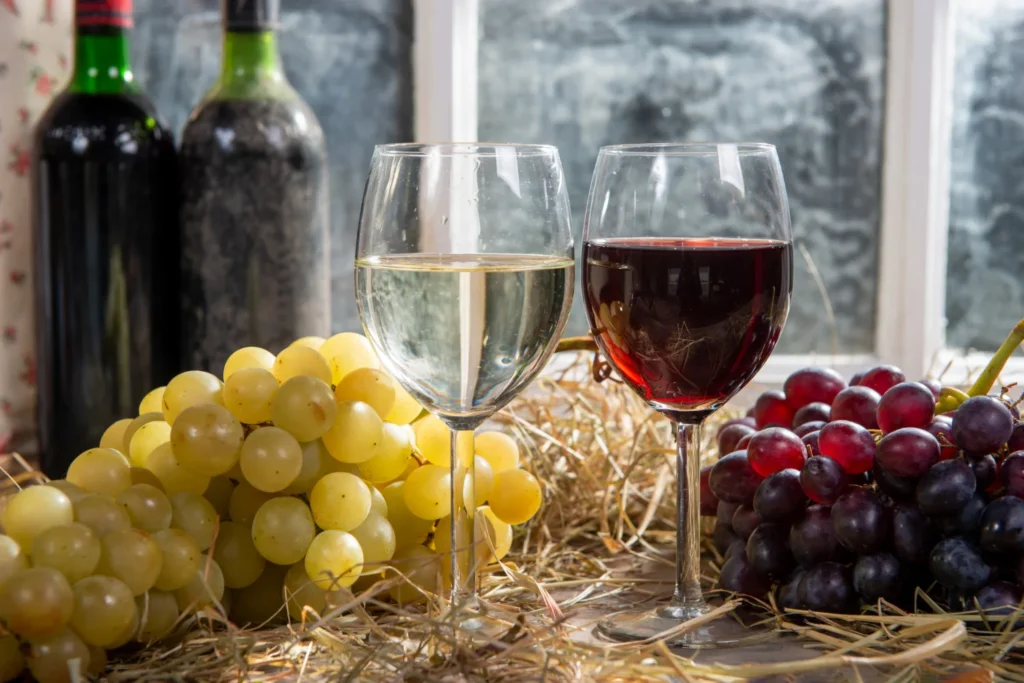
The red Cabernet Sauvignon grape is the basis for more structured, darker fruit styles with noticeable tannins. Another red grape, Pinot Noir, is usually lighter, more aromatic, and more delicate. On the other side of the color spectrum, Chardonnay is a white grape that yields wine ranging from a crisp and citrus style, to a more creamy, oak-driven style.
If you are buying for a novice, do not select by grape name alone. Look for clues like “light-bodied”, “dry”, “crisp”, “soft” or “full-bodied” in a description. A wine list in a restaurant, shelf tag in a wine store, or a note on the label can provide a more useful descriptor of style than just a color.
Frequently asked questions
Which Is Better For Beginners, Red Or White Wine?
The bright pale style often works better for new drinkers because it usually tastes lighter, fruitier, and a little bit fresher, and then there’s also a soft Pinot Noir or Merlot that could go just fine. Go by the level of sweetness, acidity, and texture more than hue, and sample both if it works with the meal you’re about to eat.
Is Cabernet Sauvignon Red Or White?
Cab Sauvignon is red, known for dark fruits, tannin, more full body, and excellent food pairing with grilled meats such as steak. If you are a beginner, drink a bit with food because the taste can be overwhelming if you sip it neat.
Is Pinot Noir Red Or White Wine?
Pinot Noir is also red and generally comes across as being a little more light and gentle than the Cab Sauv or many Syrahs. If you’re into cherry, raspberry, earth, and spice as opposed to a more dense black fruit, this is your wine. If red but a less firm feel is your preference, this is a great entry level wine.
Is Chardonnay White Or Red?
Chardonnay is a pale varietal, and can range anywhere from crisp citrus flavors, or creamy, buttery or oak-y. Some Chardonnays, the ones without oak, are a little brighter, while the oaked ones tend to lean towards the fuller side of spectrum. If you like apple, lemon, pear or vanilla notes in wine, this is a good one to check out.
Which Wine Has More Tannins?
Because red wine is generally fermented with grapes including the seeds and even stems of some varieties, tannin is typically found in greater quantities in reds. The other factor that makes red wine red is the fact that reds are produced in contact with grape skin. The answer to why red wine is also the same thing that gives it more tannin. This is a reason for more variation in the dryness level between red wines than with whites.
Which Wine Is Usually Sweeter, Red Or White?
Neither red nor white is inherently sweeter because it depends on grape ripeness, and the amount of residual sugar in the wine. what is white wine made of? Grapes, of course. How much sugar is left in the wine is up to the winemaker. Look for words on the label that describe a wine as being dry, off-dry or dessert.
What Is Wine Made Of, And Why Is White Wine White?
It is made of grape juice that has undergone fermentation with yeast, the type of grape variety used, whether it is fermented with skin or stems, and the way the wine was aged (with oak or stainless steel). what is wine made of? You already know the answer, right? That said, why is white wine white is because the skins weren’t left in, as it is darker in nature. The white wine is pale because of how little grape skin color was extracted in the process.
What makes red and white wine different is how it is produced; red wine is made from fermenting with the fruit, which gives it more tannins, color, and body, as well as more skin-derived Polyphenols. White is generally produced brighter, less body and has more acidity. Red wine vs white wine is not an either-or decision with a right answer. If you are trying to make your choice based solely on health benefits, red wine generally contains more of compounds such as Resveratrol, although the effects of alcohol apply to all wine. For the most part, the most important aspect is finding wine that suits your palate, goes well with the dish or meal, is consumed in moderation and in an responsible manner. Pick something you know is easy drinking, try a few different wines and decide for yourself what you like.