
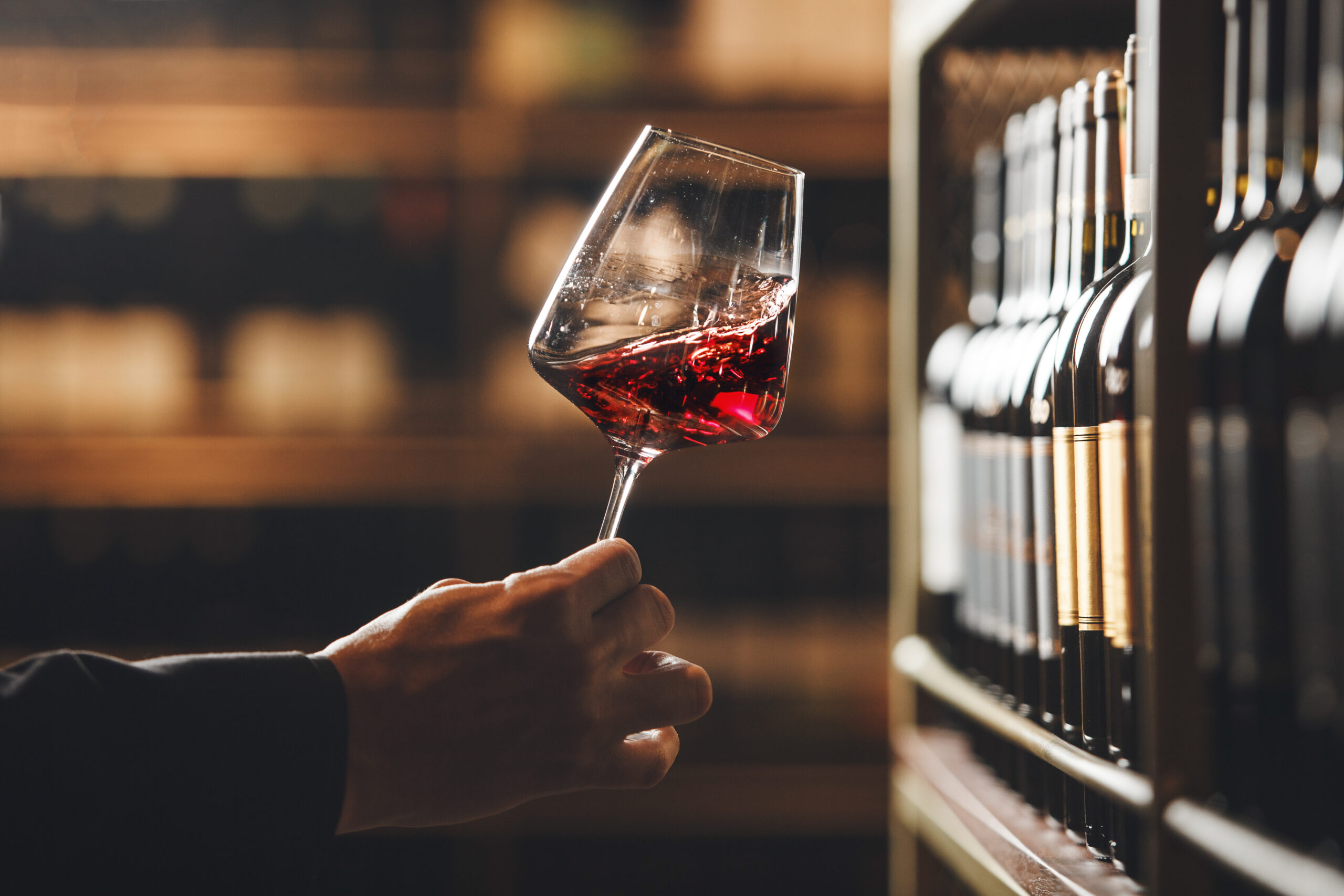
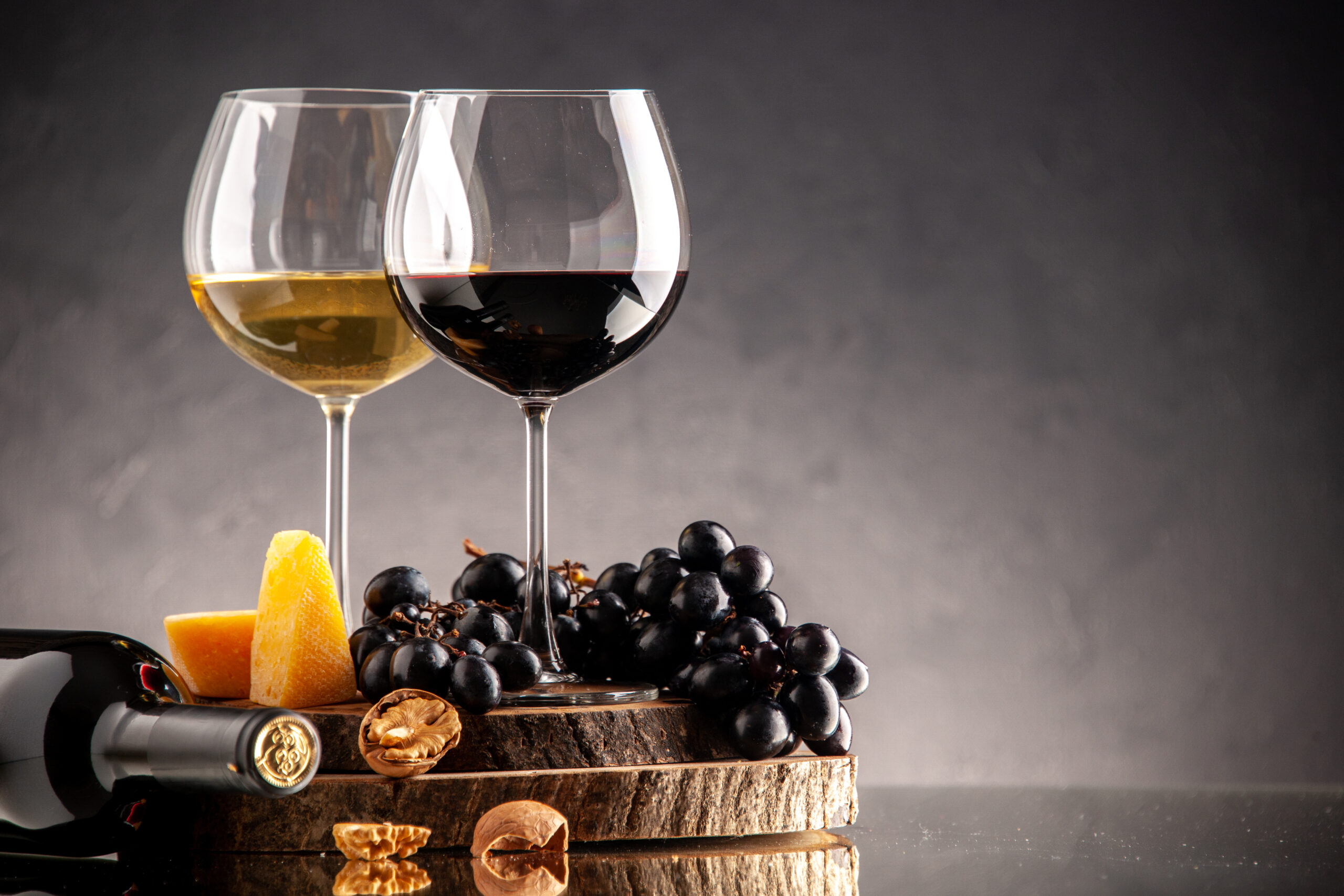
Types of wine glasses are not merely aesthetic choices because the bowl’s architecture dictates the trajectory of vapors, controls heat transfer and oxygen exposure, and determines the precise angle at which liquid meets your tongue. For someone just starting out, it is perfectly acceptable to rely on three core pieces: one dedicated for red, one for white, and one for bubbles; you could even opt for a versatile “all-rounder” glass if cabinet space is at a premium. Begin with the glass you reach for most often, and then consider whether you genuinely benefit from an additional, highly specialized stemware for a different wine before purchasing another glass.
Sections
Take this as a working tool rather than a collector’s guide, the best setup for type of wine glasses depending on your regular bottle types, how much space you have to store wine glasses, and how exact you want each pour to be.
The common styles for wine glass types are five: red, white, sparkling, fortified and universal. Most introductory sources on Wine Folly and Wineware present it similarly in their wine glass types beginner guides: choose your glass type on the basis of a particular wine’s aroma, texture, and recommended serving temperature.
Introduction
A different type of wine glasses can make the same bottle seem brighter, softer, richer, or more perfumed. That doesn’t mean you need a whole cabinet of glasses. Shape does something.
Here is the thing most people do not understand. A wine stem design is for managing oxygenation, fragrance, temperature, and the size of a sip. Once you get that, Bordeaux, Burgundy, Chardonnay, and Riesling glass stem are no longer mysterious.
How Wine Glass Shapes Affect Taste And Aroma
Wine bowls: the bigger the bowl, the more space the wine has for oxygen, which is perfect for big reds because it brings them to life and tames some of the astringency in the tannins. White wines can be served in smaller glasses that will keep them fresh and cool.
Rims are also important. A smaller opening will direct aromatics toward you and a larger one will let them spread out to the side, which is helpful for fuller, richer aromas. Glass shape and weight also make the difference between holding the bowl and holding it on a stemware to keep your hands away. Crystal, thin rims and general glass size can make glasses of wine come together.
Types Of Wine Glasses Chart For Quick Comparison
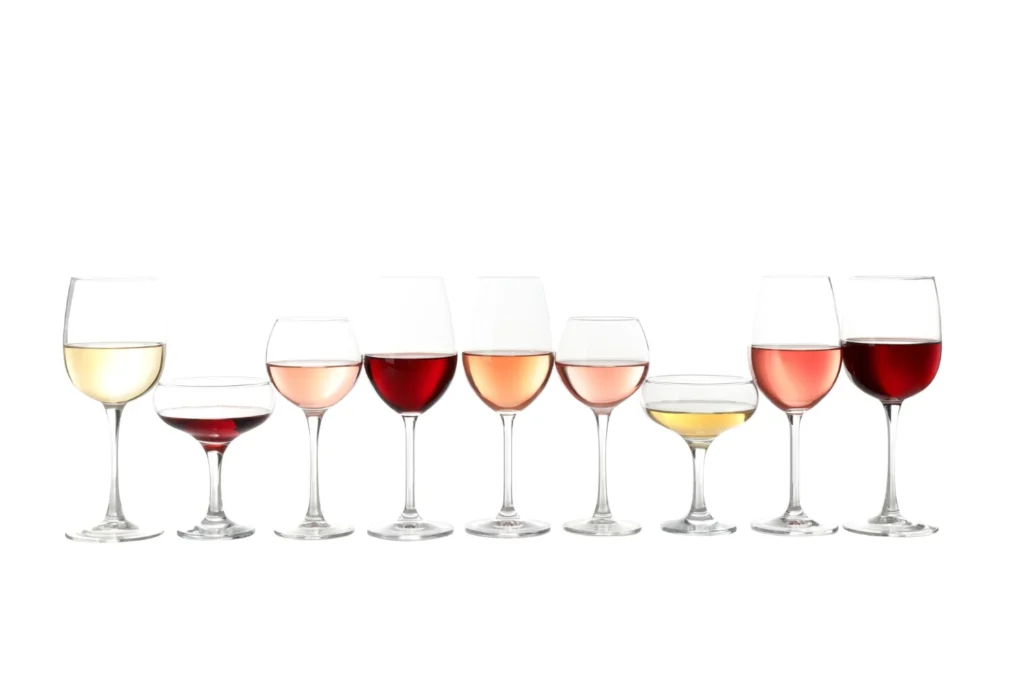
Before buying different wine glasses, use this chart to compare: red wine glasses, big bowls, Cabernet Sauvignon, Merlot, Syrah, Shiraz, Sangiovese, Malbec; Burgundy wine glasses, rounder bowls for Pinot Noir; white wine glasses, smaller bowls for Sauvignon Blanc and Riesling; Chardonnay wine glasses, wider bowl for fuller whites; sparkling wine glasses, flute, or tulip shaped, for bubble wines; dessert wine glasses, smaller glasses for fortified and stronger wines; universal wine glasses, in between for multiple wine styles.
Types Of Red Wine Glasses
Red wine glasses are bigger in most cases because red wines generally require more oxygen. The larger bowls encourage the aroma to open up while providing space for a less closed mouth feel with wines with structure.
However, the trick is finding a vessel that matches the profile of the varietal in question. A wine that would not normally benefit from a larger glass may find itself losing aromatics if poured into too large a glass. Consider the weight of the wine; a glass for a fuller-bodied red will typically be taller and more generously shaped, while an aromatic red will typically require a more rounded bowl.
Cabernet, Merlot, And Bordeaux Glasses
The Bordeaux glass is tall with a wider bowl and a slightly narrower opening. The glass accommodates varieties such as Cabernet Sauvignon, Merlot and blends that fit the Bordeaux style and will allow the dense fruit, oak, and tannins to be open and accessible but focused.
Shiraz, Syrah, Malbec, And Sangiovese Glasses
Syrah/Shiraz and other full-bodied reds will also enjoy a glass that will allow the fruit to soften and allow the wine’s characteristic spice to flourish as it is allowed to open up, along with Malbec. A wine such as Sangiovese will require a glass with enough volume for the tannins to open up while not so much as to highlight the wine’s acidity.
Pinot Noir And Burgundy Glasses
A Burgundy glass with its wider, rounder bowl will assist in presenting Pinot Noir, red fruit, earth and floral notes. A wider opening will allow delicate aromatics to be presented but the bowl and rim will guide them to your nose.
Main White Wine Glass Styles
While white wine glasses are typically smaller than red wine glasses, this helps keep the wine cool as well as concentrates the aromas as it sits in the bowl as the wine continues to rise in temperature.
If you’re going for a white wine that is crisp and lean, you’ll want a more narrow wine glass bowl. For fuller and rounder whites you’ll look for one that is a bit broader. Lenox writes about the similarities but also differences, for example, in wine glass types its wine glass types buying guide, particularly in relation to the red and white proportions.
Sauvignon Blanc And Riesling Glasses
A narrower glass is ideal for Sauvignon Blanc since acidity, citrus and herbal notes need to be focused on. A smaller size also keeps the wine cooler for a longer time.
Riesling also needs to maintain concentrated aromas; think about floral, lime, peach, mineral notes, etc. Narrow white glass helps keep aromas up, without making the wine seem too sweet or too tart.
Chardonnay Glasses
Chardonnay style rules. You should generally enjoy oaked Chardonnay in a bigger white glass, where a little oxygen will improve the texture, and allow the buttery and vanilla and ripe fruit flavors to integrate.
A unoaked Chardonnay, especially if it is crisp and mineral, may actually be better in a smaller white glass. The takeaway for you? Fit the glass to the richness, not just the grape.
Sparkling And Fortified Wine Glasses
Sparkling wines are best drunk out of a flute or a tulip; a flute is great because it retains the carbonation, while a coupe doesn’t. A tulip has the best combination of the two: it maintains carbonation better than a flute and offers a better aroma profile than the coupe. If you only have one glass for your sparkling wine, get a tulip.
Since the servings of fortified wines tend to be small due to their strong taste, these wines can benefit from a smaller glass. By having a smaller glass, the aromatics remain more concentrated, while the portion size is easier to handle when pouring wines like port or sherry.
Universal Glasses And Everyday Use
A wine glass which could be used for both white and red if the body is medium, the rim is thin and the shape balanced would not work for every grape variety in perfect harmony but is a great solution for a vast number of bottles in a glass that will do justice to many reds and many whites.
Pause for a second on that point: Universal glasses can make sense, for example, when you don’t have a lot of space for stemware or don’t serve wine to guests that often. If you’re more of a single varietal drinker, then varietal specific glasses make more sense.
RIEDEL Recommends
RIEDEL are specialists in grape varietal glass design which means they shape the body and rim to suit specific wine styles. Their guide to different glass designs covers why you may want separate glass types for wines like Cabernet, Pinot Noir, Riesling and Chardonnay.
This could be useful to you if you like to compare notes. But if you just want to have an easy time with guests, then a universal stemmed option may suffice. RIEDEL’s way is a great method but certainly not a requirement for good wines.
Enhancing Your Wine Experience
Glass cleanliness is just as crucial as form. Clean glasses by hand if your wine glass manufacturer states so; if that is not the case, double check your dishwasher manufacturer’s instructions before putting them on the machine. Any residue on the glass can mute its aromas.
Pour less than you might think. A glass should not be full to the point that it doesn’t allow you to swirl and smell the wine or let air in. A full bowl hinders air access, and even the most beautiful glass will seem inadequate.
Benefits, Guarantees, And Risk Reduction
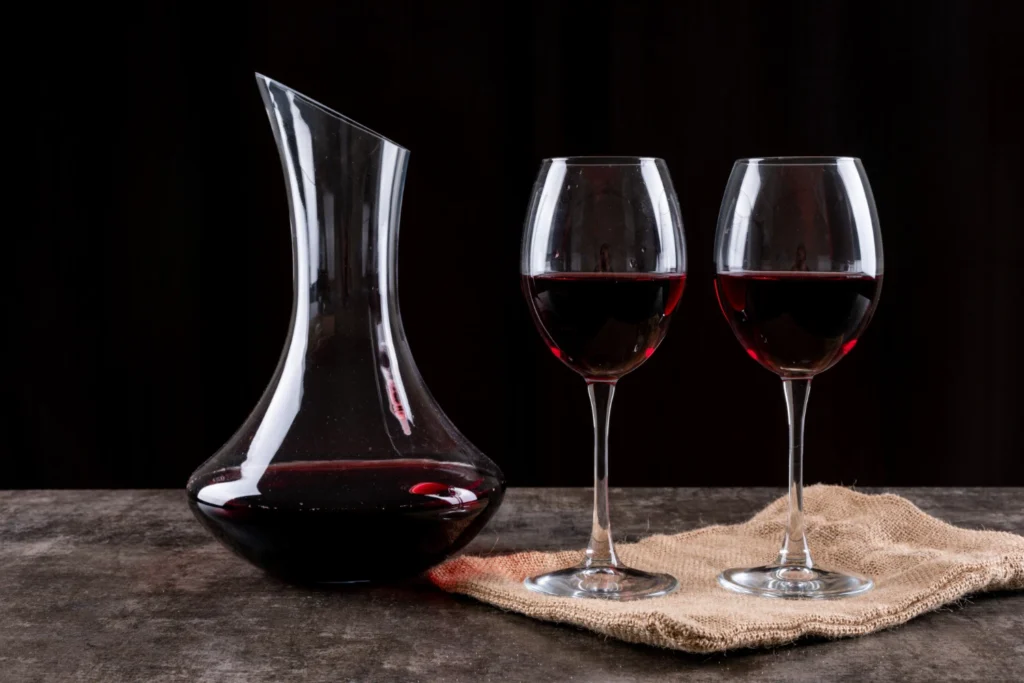
Before you buy, inspect physical attributes like the thickness of rims, balance of the bowls, stability of the stems, dishwasher instructions, return policy, and spare part availability. Crystal may be more refined, but regular glass is more durable for frequent use.
This is the point to consider. The ideal starting set isn’t the one with the highest price tag. It’s the one you will use, wash carefully, and can replace easily should a stem crack.
Frequently asked questions
What Are The Different Types Of Wine Glasses Beginners Actually Need?
Typically, three to four pieces are recommended for most new collectors. One large red wine glass, one smaller white wine glass, a flute or tulip for your sparkling wine, and one large “universal” glass are what you need. You can also add Burgundy or Chardonnay glasses after some time if you frequently drink these varietals.
Can One Universal Wine Glass Work For Both Red And White Wine?
Yes, a large universal glass could work for red and white wines simultaneously if it has a medium-sized bowl, thin lip, and ample space for swirling. It would not be as tailored as a specific varietal, but it works nicely for a small, modern kitchen.
Why Are Red Wine Glasses Usually Larger Than White Wine Glasses?
Red wines have a greater glass size, since the wines are likely to be in the wine glass, the oxygen from the larger bowl will help the wine breath to release a better aroma and soften the tannins and bring more of the fruit, spice, and/or oak to the palate, which are characteristic of many full-bodied red wines. White wines are often served cooler, so smaller bowls help preserve temperature and keep aromas focused.
What Is The Difference Between A Bordeaux Glass And A Burgundy Glass?
The difference between Bordeaux and Burgundy wine glasses is subtle but important. The shape of the Bordeaux wine glass is taller with a broad bowl and a narrower opening to give the wine more space in the glass for oxygen to breathe and to direct the aromatics toward the nose. Cabernet Sauvignon and Merlot are best served in the Bordeaux glass because of their structured character. The Burgundy glass is rounder and wider for aromatic wines like Pinot Noir.
Are Crystal Wine Glasses Better Than Standard Glass?
Wine from crystal is often perceived as a superior quality because of how thin and delicate it is, which can affect aroma and mouthfeel. Standard wine glasses made from clear, colorless glass can be a practical choice depending on how the wine will be used. Before you start buying glassware for wine, it is important to check the quality of the rim and the thickness of the glass. Check the care instructions and the replacement cost.
Should Sparkling Wine Be Served In A Flute, Coupe, Or Tulip Glass?
It is suggested to use a tulip glass for sparkling wine because you can capture the effervescence, yet it has more room to let the aromatics breathe than a flute. Flute glasses will capture effervescence, but they can be a very narrow glass that the bubbles go directly up the side of it. A coupe can look beautiful and be a classic design, but it does not allow as many bubbles to persist or aromatics to linger as the tulip.
Deciding between the Types of wine glasses does not have to be difficult. Determine what wines you enjoy most and purchase accordingly, either a taller and narrower Bordeaux style for reds like Cabernet or Merlot, or a Burgundy style glass for aromatics like Pinot Noir; for whites, consider a narrower stemmed glass for more delicate aromatics like Chardonnay, and a wide-based stemmed wine glass for the same purpose. For the best of both worlds, choose the tulip shaped glass to preserve the aromatics, carbonation, and mouthfeel of sparkling wine. For a glass that can be used for all purposes, consider a larger glass that has the ability to work as a varietal glass. For a more specific purpose, there are various types of glass, from the classic RIEDEL glasses, that will focus on the best of the bouquet, flavor, and complexity of wine. The bottom line is to choose the glass that makes the wines you love taste as good in the mouth and on the nose as possible, as you can see from the examples provided in this article.