
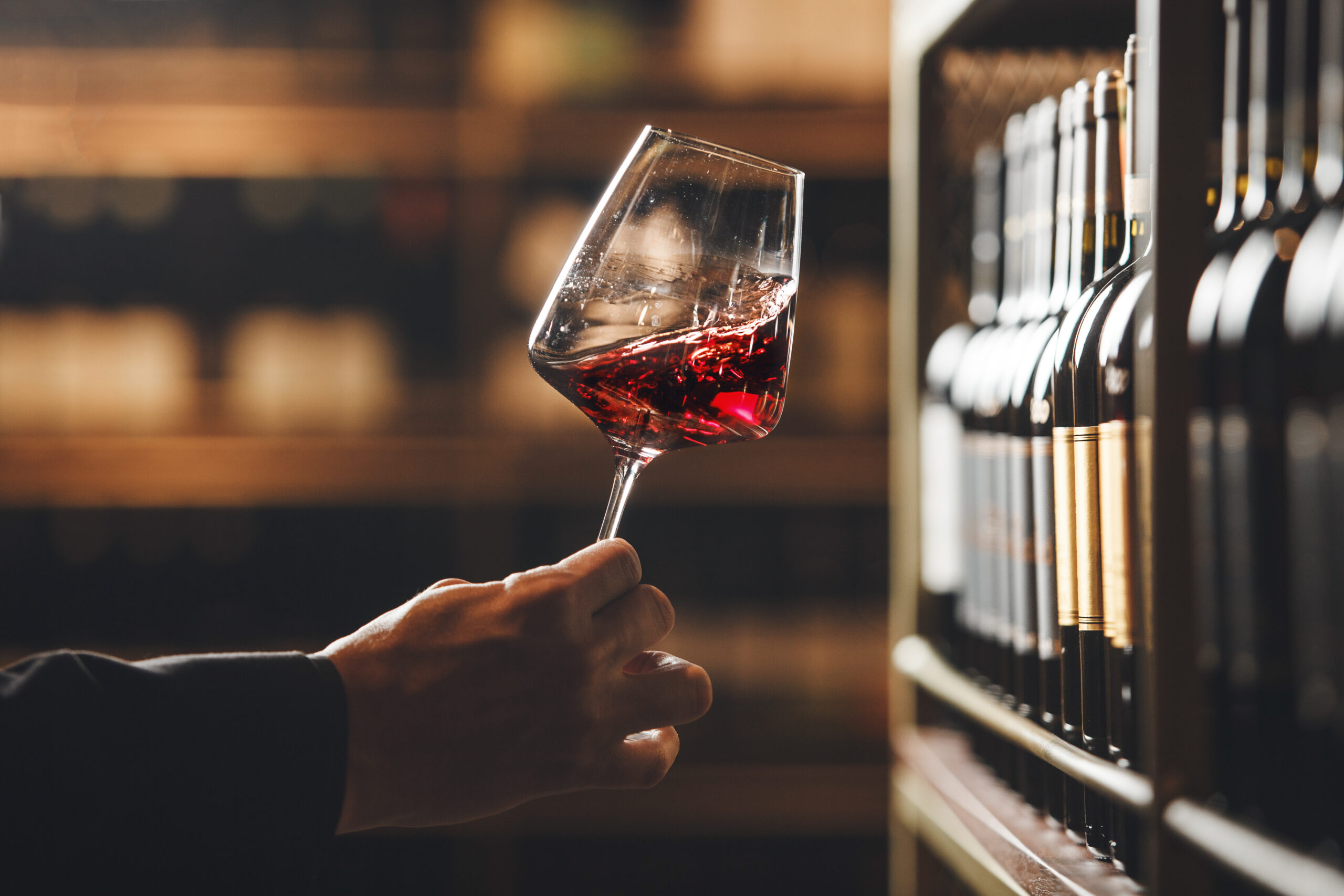
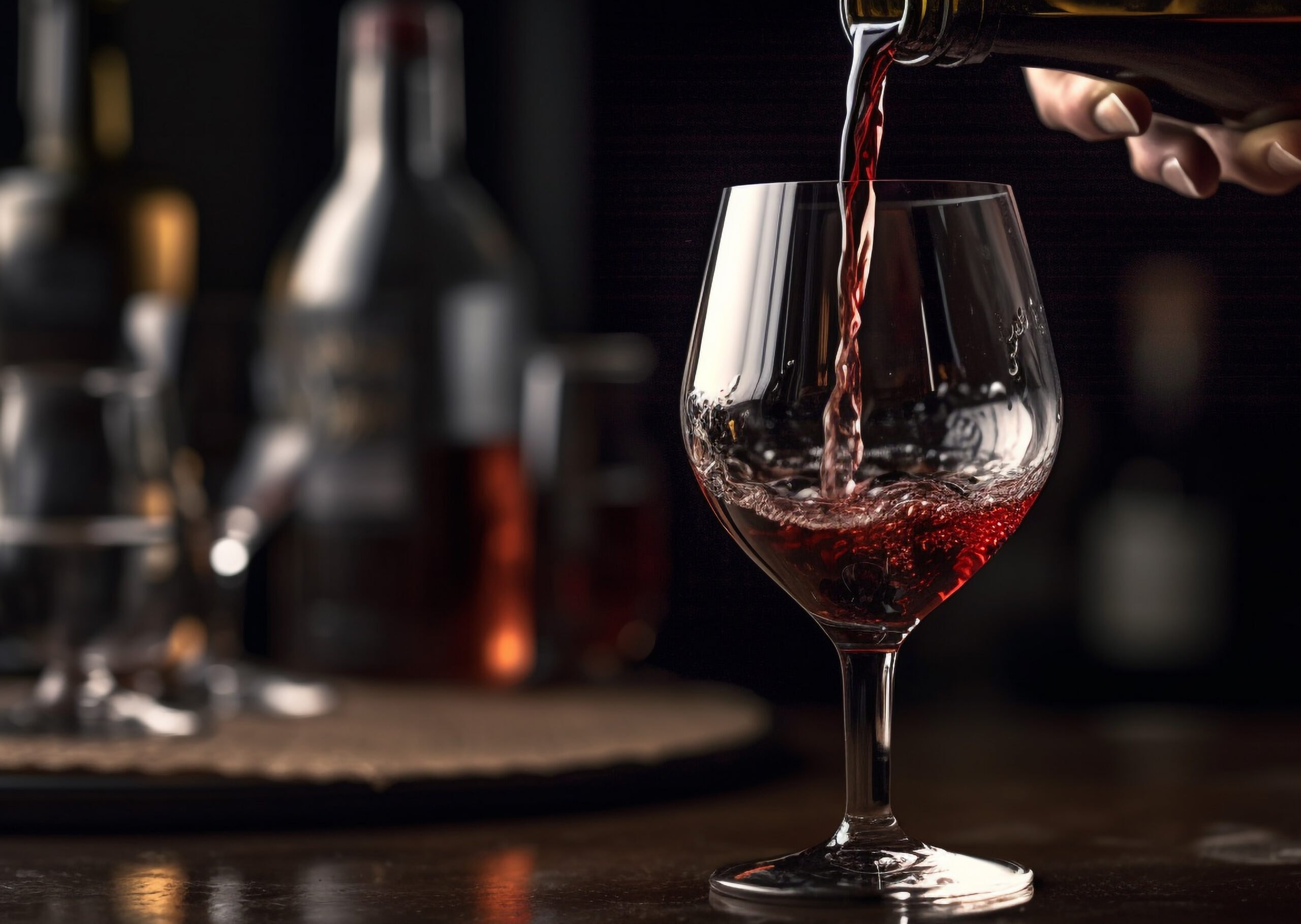
What is tannin in wine refers to a group of phenols, which is a type of chemical naturally occurring in grapes and oak. The tannins in wine provide that sensation in your mouth which is dry, astringent, grippy, and at times, bitter. This is the element that provides the structure and feel of the wine that affects not only the wine’s taste, but also its aging and food-pairing capabilities. If you’ve experienced this mouth-feel after having a glass of Cabernet Sauvignon or drinking a dark strong black tea or eating a dark chocolate bar, you know exactly what we are talking about. The key is when is it a good thing and when do you prefer something a little softer?
Sections
If you came here asking what is tannins in wine, think in texture rather than flavor terms. It’s not sweet, boozy or tart like acids. This sensation feels like a bit of roughness against the interior of your mouth and on the tongue, the gums, your cheeks and lips. It is often labelled “astringent” in entry-level wine material (like this guide on wine structure from Wine Folly) because once you’ve got this concept in your head, it’s pretty easy to notice in your next wine tasting.
The thing is, this texture can be nice or bitter or almost not there at all. It all depends on the grape variety, the winemaker’s choices, what you have with it, and the age of the wine. A young Nebbiolo on its own can be extremely tannic and chewy, for instance, but with certain dishes of a similar intensity (braised beef dishes come to mind) it can seem well balanced. It’s perhaps not the color of the wine that gives you the best clue on the palate, but what happens to your mouth after you swallow.
What Are Wine Tannins And Where Do They Come From?
tannin in wine mostly derives from the grape itself, including skin, seeds and, in some cases, stems. Those bits of fruit release their phenolics into the juice during the crushing, maceration and fermentation steps. Because reds sit on their skins longer while they ferment, they wind up with more structure, more hue and more heft on the palate.
You can also pull tannins from wood: the time red spends aging in barrels determines how much extra tannic structure, spice notes and stability of colour it acquires from the cask. The key is control of extraction; a winemaker can coax tannins out gently enough that a youthful Cab will feel like velvet, or go heavy and leave the tannin grip hard and astringent even though the grapes may still be unripe.
Other Tannin-Rich Foods And Drinks
Train your palate by making strong black tea: take a sip, then note the feeling of dryness as the liquid slides down your throat. Have a piece of dark chocolate and focus on that dry, puckering sensation when it leaves your mouth. Similar astringency appears in walnuts or almonds; these foods and drinks let you distinguish textural astringency from aroma and taste, from acidity, or from alcohol, while you’re getting used to red wine tannins.
Tannins: Examples And Context
Here’s a straightforward tannin example: when you drink a young Cabernet Sauvignon you will taste black fruit; next you will sense the dry, mouth-drying tannins you’ve just experienced in black tea or dark chocolate. Tannat or Malbec will also feel quite firm, though regional, vintage and cellar factors will modulate the degree of that sensation. Coravin’s guide to wine structure provides context that links that firm texture to variety, maturation and service.
Red And White Wines: Why The Texture Differs
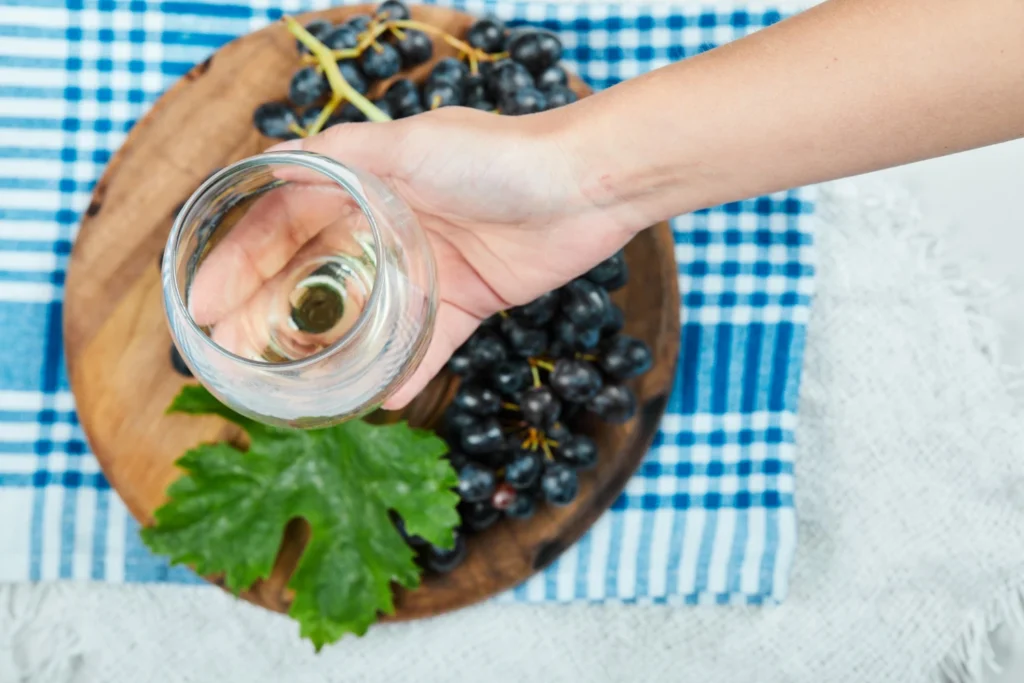
This is due to the fact that reds are often astringent and tannic for having a longer period of maceration, in other words, tannins, pigments and aromas will seep from the skins into the fermenting juice, rendering a dark-colored syrah far more astringent than its lighter, white counterpart with lesser skin contact (all other things being equal). The disparity between the amounts of tannin in the resulting wines is what causes the difference between the texture of red and white wine.
White wines, however, don’t lack grip and can have structure even if they have no color. Orange wines go through long macerations, and many white wines are aged in oak, and either way this will result in a textured wine, not a red wine. If something feels fuller bodyed, tea-like or a little drying, without being overly bright, tart, then it is the difference of texture you are experiencing rather than that of acidity.
Grape Varieties With Naturally High Tannin
The firm red standard is Cabernet Sauvignon, at least in its youth, though Nebbiolo may exceed it, coating the mouth despite its paler hue and initially surprising those unfamiliar with the grape. In Syrah, dense fruit and savory flavors sit on top of the structure. To test what does tannins in wine, have a sample of one of these alongside a Pinot Noir and pay attention to your gum tissue as soon as you swallow.
Tannat, then, may offer another comparison point for many tannic examples are bold and chewy. Likewise, Malbec can be plump or structured, but with warmth, the riper examples tend to give the impression of a more rounded grasp. These varieties are neither better nor worse than others; they are simply ideal if you’re in the mood for a powerful bottle, if you’re pairing them with a rich meal, or when you’ve identified a wine that will age and soften down.
Grapes With Lower To Medium Tannin
In terms of wines with lower to medium tannin levels, if a grippy finish isn’t to your liking, Pinot Noir offers the safest way to dip your toe into the red wine pool and is also more prone to highlight red fruit, freshness and silkier textures. At least in lighter styles, Gamay can seem like juicy wines which don’t hit the palate with such an assertive flavour. Merlot, on the other hand, is a bit of a middle ground; even though it tends to be softer than other red varieties such as Cabernet Sauvignon, when grown and vinified for more depth it can still maintain a degree of structure.
Grenache, too, can feel somewhat generous and smooth (although alcohol and ripeness can both kick in as warming elements, so be wary). Selecting from these varieties is less likely to prove detrimental in terms of serving an overly “strict-tasting” wine when buying for a mixed group. Do check if “silky”, “supple” or “fresh” is used as a descriptor in the shelf note and then cross-refernce with the region and varietal for added confirmation.
How Winemakers Manage Tannin Levels
The tannin levels in a wine can be managed by the amount of time it spends with the skins and seeds during maceration. If the skins remain during maceration, more tannins are extracted from the tannins. If the skins leave after only a few hours, the tannin levels are kept lower. Using whole bunches also adds green notes, and adds more tannin firmness. Other techniques for extracting tannins are the temperature of fermentation, the frequency and timing of punchdowns, or pump-overs.
The length of aging in barrel also has a significant impact on a wine’s tannin profile. The use of new barrel will usually add tannin structure, and add vanilla and spice notes. With older barrels, there is not as much woody tannin added, and the wine will feel less woody. The use of barrels can also help a wine with high tannin levels mellow out over time, and soften the finish of a young and rough wine. The following link from Lake Chelan Wine Valley gives context for what consumers should know about the tannins in wine taste, texture, and quality of a wine. Lake Chelan Wine Valley provides context for consumers about tannins in wine taste, mouthfeel, and quality.
Common Sources Cited In Wine Education
Most wine education materials, wine schools, and other resources that are trusted by industry professionals discuss these concepts with research about phenolics and wine chemistry, and how that translates to health. The following article from SevenFifty Daily about the science of tannins in wine is a good entry into industry professional research on the subject. SevenFifty Daily offers an article about the science of tannins in wine as a good entry point for industry professionals. The linked image is from Northern Brewer, and the link shows their products about wine tannin additive. Northern Brewer This page from Northern Brewer about wine tannin additives demonstrates powdered forms of tannin for home winemakers. For home and commercial winemakers alike, consult with friends who make wine, do more research on your own, and determine how much and what type of tannin you should add to your specific must for your desired wine style.
Best Food Pairings For Tannic Wines
Yes, it’s a fact that tannic red wines pair nicely with steak, and that goes beyond respecting tradition: The protein and fat in the food influence how the tannins feel. While the tannic grip helps cleanse the palate after the food tasting, the food softens the tannins flavor. So a Cabernet with a ribeye is not only a homage to the classic wine and food pairings rules.
Aged cheese, lamb, buttery mushrooms, and other foods rich in protein can also round out the tannic wines. But this particular match works well when that individual item of food also includes fat or savory notes that can match that degree of tannic quality. So, what do we know about the fact that we can choose the wine for our dinner? Save the reds with the most structure for during the meal, not as the aperitif.
Pairings That Can Clash
Inversely, some foods can actually accentuate tannic wines, which can then turn them more assertive. Spicy foods will make the wine hotter, both in alcohol and bitterness. Delicate fish will either have a metallic taste or will simply fall flat against a red with its structure. Overly bitter vegetables like grilled green cabbage or kale add bitterness to bitterness. And, if those are foods you’re really into, then you’d be wise to reach for a red with a softer structure, like a Pinot Noir or Gamay, or even an acidic white, instead of forcing a match that’s unlikely to harmonize.
The Science Behind The Dry, Grippy Sensation
That dry feeling happens when the polyphenols in wine grab ahold of the protein molecules in your saliva, which serves to moisturize your mouth. The result of these compounds binding together is that there is less wetness available to moisten the tongue and lining of your cheeks, creating a sensation of texture, as your tongue and cheeks feel the rough texture of your wine. The wine isn’t necessarily sweeter or more acidic; rather, what you’re tasting is textural.
I should say: “dry” means two things for wine. A wine can be “dry” by lacking in or without residual sugar; or it can feel “dry” to the palate because the “grip” it creates is “grippy”. The Wine Sisters’ analogy for the difference between structure and acid explains how acid is “juiciness”, but tannins can be chalky or puckery.
Buying Or Choosing Wine By Tannin Level
A great starting point is grape variety, opt for Cabernet Sauvignon, Nebbiolo, Syrah, Tannat if you want a structured and tannic wine, especially at a young age. They also make great food friends to cut through the fat of a steak or short ribs, stand up to aged cheese and work well with slow-simmered dishes. Extended maceration, whole cluster and new oak on a label also offer clues to textural style.
For softer reds, start with grapes like Pinot Noir, Gamay, Merlot and Grenache. At a wine shop you could ask for “a soft finish”, a “low grip” or fruit forward. Price doesn’t necessarily equate with texture, either: a serious, young red, especially an expensive one, can have even more structure than your run of the mill relatively cheap bottle, especially if that cheaper red is produced in a style to be consumed young.
Frequently asked questions
How can beginners tell tannic texture apart from acidity?
Acidity kicks in your salivary glands and you feel refreshed and saliva-filled. Structure creates the grippy texture where you can feel that your cheek and gums inside are a little dried or squeezed after it passes through your palate. You can try the example of sipping just some plain lemon water and drinking afterwards a cup of the black and bitter tea. The lemon will be showing you the high acidity as the example of acidity and then the tea is the example of astringent in the sense of texture. Those are just the two examples that are the basic of wine.
Why do some wines feel dry even when they are not low in sugar?
The reason a wine can seem astringent is if a wine is full of fruit, is ripe, but when you taste it it will feel very dry. That is because the phenolics stick to the salivary proteins in your mouth and your saliva can’t function normally and then you feel parched in your mouth and not lubricated. That is not to say anything about sweetness at all. A full bodied red wine may have the flavor of a plum or the blackberry and will have a little drying finish feeling on your inside jawline.
Which red wines are best for someone who dislikes a grippy finish?
If you like to have a red wine to drink that doesn’t have that drying and grippy feeling after you have sipped the wine to finish the glass, you can have an easy red with that feature in it. You could have the Pinot Noir, the Gamay, the softer style of the Merlot or a less austere Grenache. Most of the wines will have a more plush feeling of the palate or it won’t have the feeling of dryness and astringency in the same way you have in the young Cabernet Sauvignon or you have in Nebbiolo or in Tannat. So it is the softer type of red wine in the texture of the palate that I am looking for when asking the question.
Do white wines ever have noticeable tannic structure?
I do think that there are white wines that do have phenolics and structure. Not as much as in red wines, but definitely some. You have to look if the style of the white wine is the orange style with it spending its time with the skins, or the white wine style that spends the time in the wood you will find the tannins. For the most part in the white wine style there is very little or no phenolic extraction in the white wine and it is the acidity in that wine that shows up most. If you get a white wine and the taste reminds you of tea, or of almond, or just a slight dusty feel, then the texture is a big part of the story that you are experiencing with the white wine.
How does oak aging change the way a wine feels?
Yes, oak can have a lot of tannins and it will give some structure in the wine. In new oak that is where you will definitely feel the tannins and also the astringency. If the wine has the time to mature in the bottle and develop it will feel softer. That also depends on the oak style and how long it spent in that oak style, and what type of wine that was, and if the wine was a wine with big and ripe fruit.
Why do tannic red wines pair well with steak?
If the red wine has a tight structure like tannins and you have a meat or some kind of rich and fatty dish, like a steak, then it pairs very well together. Why does that work? The proteins of the meat and the fat work as a neutralizer for the tannins in the wine and the wine cleans up your palate with all the fat and the protein for you to have the next bite of the dish. And that is why it is the single best example of how tannins in a red wine work with food in pairing. A nice tannic wine is going to help to cut the weight of a rich and fatty dish so that the dish will not taste so heavy and it will balance it and feel good for the dish and the wine to taste well together.
Is what is tannins in wine the same as bitterness?
Bitterness is different from astringency. There may be the two in the wine at the same time in a young red wine that has high extract or a red wine with overextraction. Bitterness on the wine will not be the same as the astringency. Bitterness on the wine will be on the tongue of the mouth, and the astringency in the wine will be the feeling you will have on the side of the mouth where you are on the gums on the inside.
If you have a better understanding of structure, then choosing, tasting, and pairing wines with the right food is so much easier. The next time you pour a glass of Cabernet Sauvignon, and think how its firm, tight feel is so different from the Pinot Noir, then try pairing them against different types of foods. What you will see is how the fat and protein in a rich, steak dish will soften the tannic grip of a big Cabernet, but the more delicate tannins in the Pinot will not. What is tannin in wine all of these things are a matter of texture, balance, and context. Don’t think that wines with firm, grippy structure are necessarily better or worse than those with softer, more approachable profiles. They are just different styles. Use grape variety, winemaking, pairing, and age cues to help you decide which is right for your palate, your mood, your food choice, or any other scenario.
Sources
- this guide on wine structure
- Coravin’s guide to wine structure
- Lake Chelan Wine Valley provides context for consumers about tannins in wine taste, mouthfeel, and quality.
- SevenFifty Daily offers an article about the science of tannins in wine as a good entry point for industry professionals.
- Northern Brewer
- The Wine Sisters’ analogy for the difference between structure and acid